An Introduction into Sea Fishing in the UK
Embarking on a sea fishing adventure along the diverse coastlines of the United Kingdom offers anglers of all levels an exhilarating opportunity to connect with nature and reel in unforgettable catches. From the rugged cliffs of Cornwall to the windswept shores of Scotland, the UK’s maritime landscape beckons with promises of thrilling angling experiences. Whether you’re casting your first line or seeking new challenges, understanding the basics of sea fishing is essential for a successful and enjoyable outing.
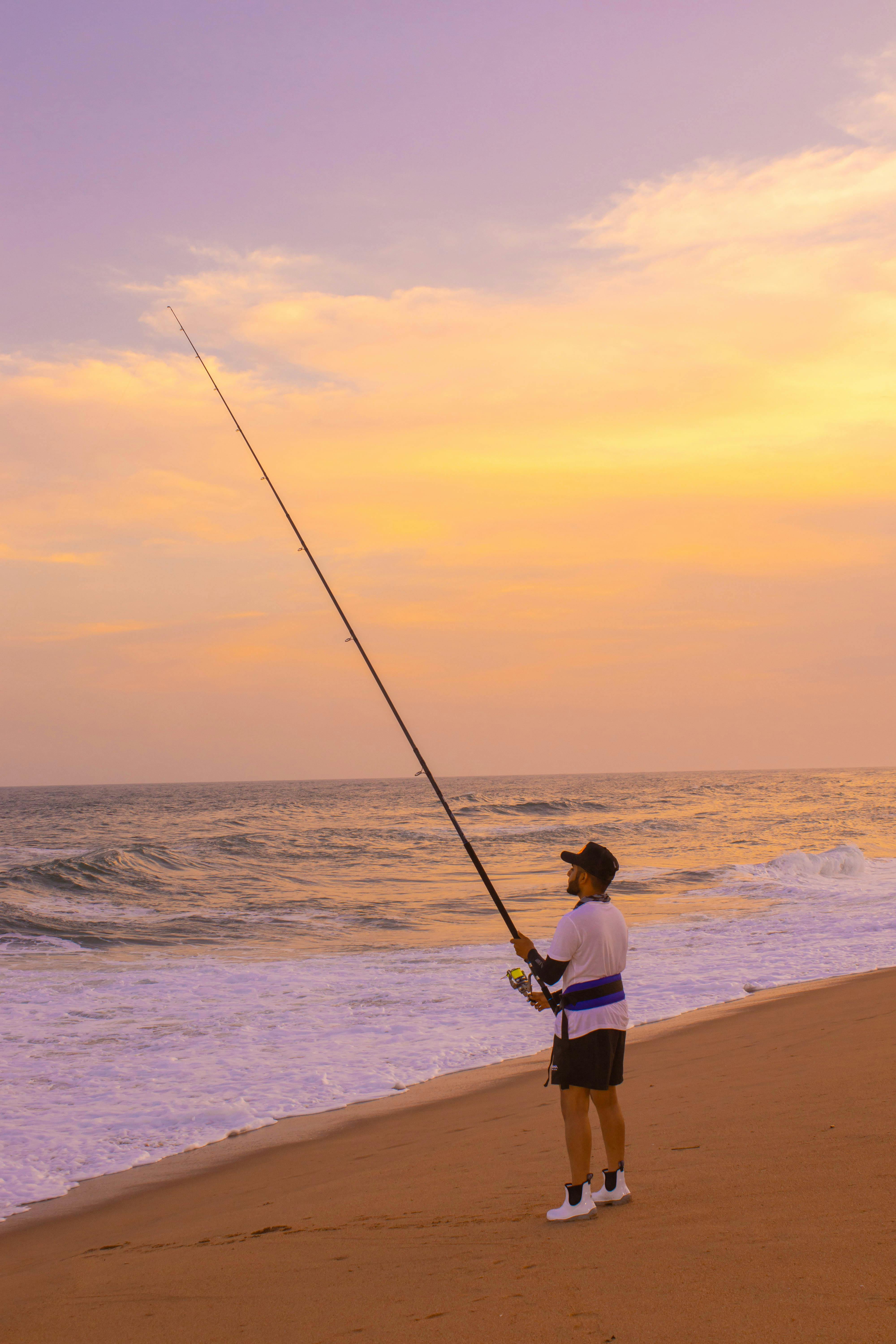
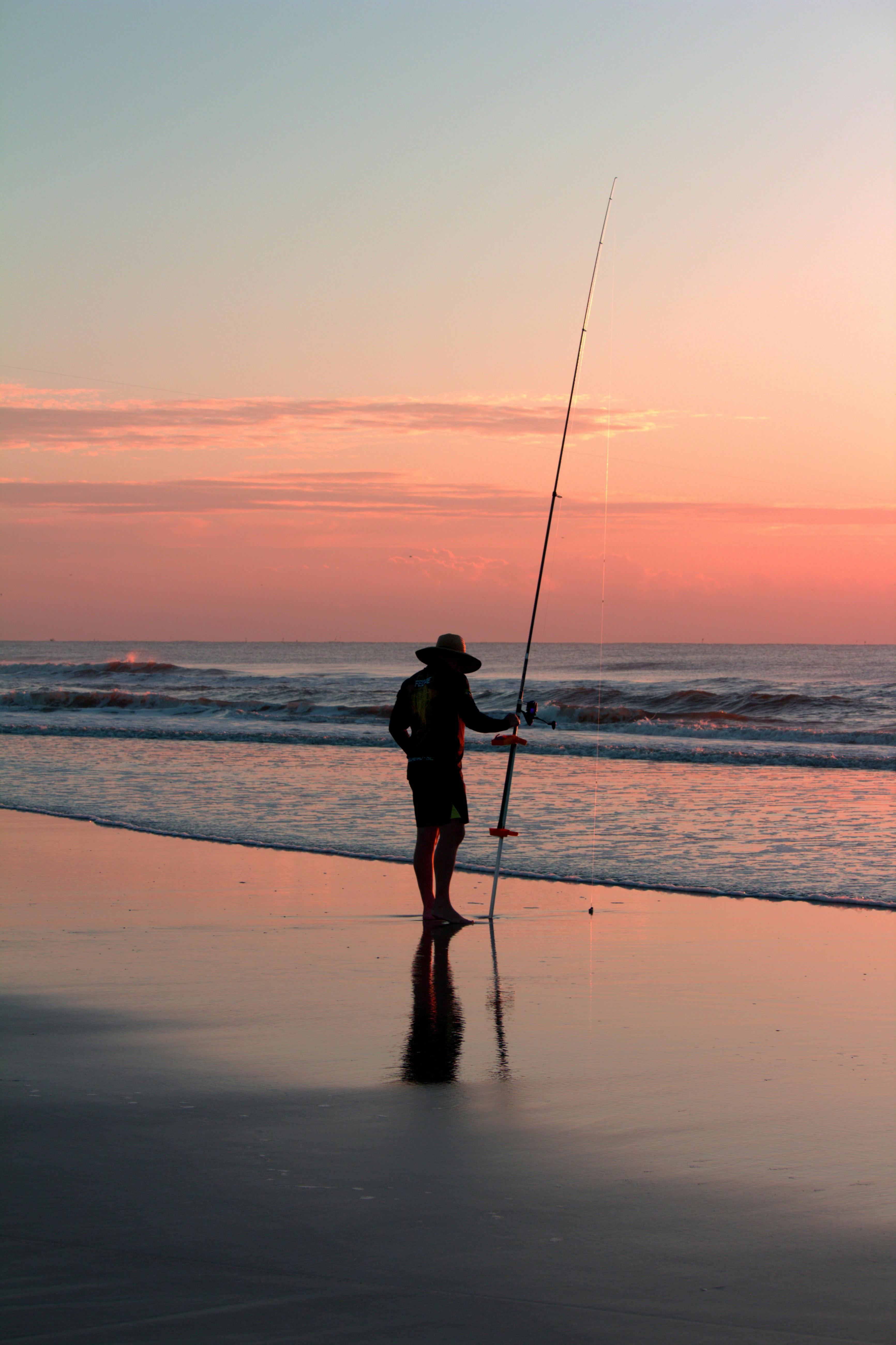
Best State of Tide and Time of Day to Fish:
Understanding the nuances of the tide and the time of day can greatly enhance your success when sea fishing in the UK. High tide periods are often regarded as the most productive for angling, primarily due to the influx of fresh currents and baitfish that accompany the rising waters. These conditions create optimal feeding opportunities for larger predatory species, such as bass, cod, and pollack, which actively seek out prey along the newly flooded shorelines and submerged structures. Anglers frequently capitalize on the hours leading up to and immediately after high tide, known as the “flood” and “ebb” tides, respectively, as fish are particularly voracious during these transitional periods.
Moreover, the early morning and late evening hours are renowned among seasoned anglers as prime times to cast your line. During these periods, commonly referred to as the “dawn” and “dusk” bites, fish are more active and likely to strike. The lower light levels and cooler temperatures of these times encourage feeding behavior in many species, making them more receptive to lures and baits. Additionally, the tranquility of these early and late hours adds to the allure of the angling experience, providing a serene backdrop as you await the telltale tug on your line.
It’s essential to remember that while these guidelines offer valuable insights, adapting your approach to the specific conditions of your chosen fishing location is key to success. Factors such as weather patterns, water clarity, and seasonal variations can all influence fish behaviour and feeding patterns. By remaining flexible and observant on the water, you’ll be better equipped to adjust your tactics accordingly and maximize your chances of landing that trophy catch.
Scouting Potential Locations:
When scouting potential fishing locations along the UK coastline, it’s essential to hone your observational skills and grasp the intricacies of the marine ecosystem. Seek out areas characterized by rocky outcrops, submerged reefs, or underwater structures, as these often provide refuge and feeding opportunities for a diverse range of fish species. Keep an eye out for signs of baitfish activity, such as swirling surface waters or diving seabirds, as these indicate the presence of larger predatory fish lurking nearby. By carefully assessing these natural indicators, anglers can increase their chances of locating productive fishing spots and encountering prized catches.

When scouting potential fishing locations along the UK coastline, it’s essential to consider not only the marine environment but also factors related to safety, parking, and access. Prioritize locations with safe and easily accessible entry and exit points, ensuring that you can reach your chosen fishing spot without risking personal safety. Additionally, assess parking availability nearby, as well as any relevant access restrictions or permits required for fishing in the area. By planning ahead and taking these logistical considerations into account, anglers can enjoy a seamless and enjoyable fishing experience while minimizing potential hazards or inconveniences.
Catching your first fish
Simplest Setups for Beginners to Catch Mackerel
For newcomers to sea fishing, targeting mackerel with a string of feathers is both straightforward and rewarding. This method involves using a feather rig, typically consisting of multiple colorful feathers attached to a weighted line, which mimics the appearance of a school of baitfish. To get started, find a suitable location along the shoreline where mackerel are known to frequent, such as rocky outcrops or piers with deep water access. Cast your feather rig out into the water and allow it to sink to the desired depth, then retrieve it in a steady, rhythmic motion to simulate the movement of swimming baitfish. Mackerel are opportunistic feeders and are drawn to the flashy colors and lifelike action of the feathers, making them highly susceptible to this simple yet effective fishing technique. Experiment with different retrieval speeds and depths until you find the optimal presentation to entice the fish, and be prepared for the exhilarating thrill of reeling in your first mackerel from the shore.
For beginners venturing into the world of sea fishing, lure fishing for pollack offers an exciting opportunity to reel in their first catch. Opt for versatile lures like soft plastic paddle tails or metal jigs, mimicking injured prey, and target rocky coastal areas, wrecks, or reefs where pollack often lurk. Experiment with different retrieval techniques, such as jerking or twitching, to entice strikes, and remain patient as pollack can be cautious before committing to a bite. Once you feel a solid tug on the line, set the hook firmly and prepare for an exhilarating battle as you reel in your first pollack. With practice and perseverance, lure fishing for pollack provides beginner anglers with a thrilling introduction to the world of sea fishing and the chance to create lasting memories on the water.


 All-Things-Fishing